
As people live longer, interest in healthy aging has grown significantly. Rather than simply increasing lifespan, many individuals are focused on maintaining physical health, mental sharpness, mobility, and overall quality of life as they age. This growing interest has led researchers to investigate various wellness compounds, including cannabidiol (CBD), a non-intoxicating cannabinoid derived from hemp.
CBD gummies have become one of the most popular ways to consume CBD due to their convenience, precise dosing, and ease of use. While research into CBD and aging is still developing, scientists are exploring how CBD may influence several factors associated with healthy aging, including inflammation, cognitive function, sleep quality, stress management, and overall well-being.
In this article, we examine what current research is exploring regarding CBD gummies and healthy aging, as well as the areas where more evidence is still needed.
Understanding Healthy Aging
Healthy aging refers to maintaining physical, mental, and social well-being throughout the aging process. It involves preserving independence, supporting cognitive function, reducing the risk of chronic illness, and maintaining a high quality of life.
Several biological factors contribute to age-related changes, including:
- Chronic low-grade inflammation
- Oxidative stress
- Changes in sleep patterns
- Reduced mobility
- Cognitive decline
- Increased stress and anxiety
- Alterations in the body’s endocannabinoid system
Researchers are investigating whether CBD may help support some of these areas due to its interaction with the body’s natural regulatory systems.
What Is CBD?
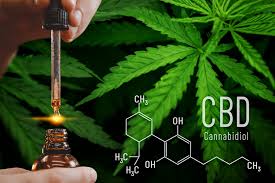
CBD, or cannabidiol, is one of more than 100 naturally occurring cannabinoids found in the cannabis plant. Unlike THC, CBD does not produce intoxicating effects or the “high” associated with cannabis use.
CBD interacts with the body’s endocannabinoid system (ECS), a network of receptors and signaling molecules involved in regulating:
- Mood
- Sleep
- Immune function
- Pain perception
- Stress response
- Memory
- Inflammation
Because the ECS plays a role in maintaining balance throughout the body, researchers are interested in how CBD may support health as people age. Research suggests that age-related changes in the endocannabinoid system may influence how cannabinoids affect older adults.
Why Researchers Are Interested in CBD and Aging
Scientists have identified several biological processes associated with aging that may be influenced by cannabinoids.
CBD has demonstrated:
- Anti-inflammatory properties
- Antioxidant activity
- Neuroprotective potential
- Stress-reducing effects
- Sleep-supporting properties
These characteristics have made CBD an area of interest in aging research. However, researchers emphasize that current evidence remains preliminary, particularly in human studies involving older adults.
CBD and Age-Related Inflammation
One of the most actively studied areas is inflammation.
As people age, many experience a phenomenon known as “inflammaging,” which refers to chronic, low-level inflammation that develops over time. Researchers believe inflammaging contributes to numerous age-related conditions affecting the cardiovascular system, brain, joints, and immune system.
Studies suggest CBD may help regulate inflammatory pathways and reduce the production of certain inflammatory markers. Scientists are exploring whether these effects could potentially support healthier aging and improve overall well-being.
Although these findings are promising, most evidence currently comes from laboratory and animal studies rather than large-scale human clinical trials.
Exploring CBD’s Potential Role in Brain Health
Maintaining cognitive function is one of the primary goals of healthy aging.
Researchers are studying whether CBD may help support:
- Memory
- Learning
- Attention
- Executive function
- Overall brain health
Preclinical studies have shown that CBD may reduce neuroinflammation and promote processes associated with brain resilience. Some animal studies have reported improvements in memory-related tasks and enhanced growth of new neurons in areas of the brain involved in learning and memory.
However, human research remains limited. A recent review concluded that while CBD demonstrates neuroprotective potential, more controlled studies involving older adults are needed before definitive conclusions can be made.
CBD and Oxidative Stress
Oxidative stress occurs when harmful molecules known as free radicals accumulate faster than the body can neutralize them.
Over time, oxidative stress can contribute to:
- Cellular damage
- Cognitive decline
- Cardiovascular issues
- Age-related diseases
Researchers have identified antioxidant properties in CBD that may help reduce oxidative damage. These antioxidant effects are one reason scientists continue to investigate CBD’s role in supporting healthy aging and protecting cells from age-related wear and tear.
While these findings are encouraging, researchers stress that antioxidant activity observed in laboratory settings does not automatically translate into proven anti-aging benefits in humans.
The Connection Between CBD and Sleep
Sleep quality often changes with age.
Many older adults report:
- Difficulty falling asleep
- Frequent nighttime awakenings
- Reduced sleep quality
- Shorter sleep duration
Poor sleep can affect physical health, mood, cognitive function, and overall quality of life.
Researchers are examining whether CBD’s calming effects may support better sleep patterns. Some studies suggest CBD may influence factors that interfere with sleep, such as stress and discomfort, though results vary depending on dosage, individual differences, and study design.
CBD gummies are often chosen as a convenient option because they provide consistent servings and are easy to incorporate into a nighttime wellness routine.
CBD and Stress Management in Older Adults
Stress does not disappear with age. In fact, older adults may face challenges related to health concerns, caregiving responsibilities, financial issues, and major life transitions.
Research suggests CBD may influence serotonin signaling and other pathways involved in stress regulation. Its potential calming effects have made it an area of interest for researchers studying emotional well-being and quality of life in aging populations.
Although findings are promising, CBD should not be viewed as a replacement for professional treatment when significant mental health concerns are present.
The Endocannabinoid System and Aging
One particularly interesting area of research focuses on how the endocannabinoid system changes with age.
Scientists have found that aging may affect:
- Cannabinoid receptor activity
- Endocannabinoid production
- Cellular communication
These changes may contribute to some age-related physiological processes.
Researchers are exploring whether cannabinoids such as CBD can help support endocannabinoid system function and promote balance within various body systems. This area remains relatively new but is attracting growing scientific interest.
What Current Research Says About Longevity
A common question is whether CBD can extend lifespan.
At present, there is no conclusive evidence showing that CBD gummies directly increase human lifespan.
Some preclinical studies involving animal models suggest cannabinoids may influence biological pathways associated with aging and longevity. Researchers have observed effects on inflammation, oxidative stress, cellular maintenance, and overall healthspan—the period of life spent in good health.
However, experts emphasize that these findings are preliminary. Human studies examining long-term effects on aging and lifespan remain limited.
Why More Research Is Needed
Despite growing interest, several important questions remain unanswered.
Researchers are still working to determine:
- Optimal CBD dosages for older adults
- Long-term safety profiles
- Effects on different age groups
- Potential interactions with medications
- Differences between CBD products and delivery methods
- Impact on specific age-related conditions
Recent reviews consistently conclude that while early evidence is encouraging, larger and more rigorous human studies are necessary before definitive recommendations can be made.
Safety Considerations
CBD is generally considered well tolerated by many adults, but it is not suitable for everyone.
Potential side effects may include:
- Fatigue
- Digestive discomfort
- Changes in appetite
- Drowsiness
Additionally, CBD can interact with certain medications by affecting liver enzymes responsible for drug metabolism. Older adults who take prescription medications should consult a healthcare professional before using CBD products. This interaction concern is commonly highlighted by researchers and healthcare experts.
Also Read: Are CBD Gummies Worth It? Pros and Cons Explained
Conclusion
CBD gummies have attracted considerable attention as researchers explore new approaches to healthy aging. Current studies suggest CBD may influence several factors associated with aging, including inflammation, oxidative stress, cognitive health, stress management, sleep quality, and endocannabinoid system function.
While laboratory and animal research has produced promising results, human evidence remains limited. Scientists continue to investigate how CBD may contribute to healthspan and overall well-being as people age.
For now, CBD gummies should be viewed as a wellness product being actively studied rather than a proven anti-aging solution. As research continues to evolve, future studies may provide a clearer understanding of CBD’s role in supporting healthy aging and long-term quality of life.